10 Copper Plate Textures: A Designer's Toolkit for Metallic Elegance
Understanding the Visual Character of These Textures
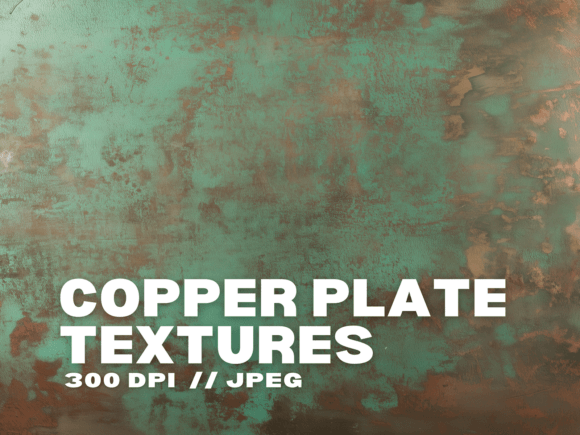
When I first opened the 10 Copper Plate Textures set, I noticed something immediately: these aren't your typical flat metallic backgrounds. Each texture captures the subtle warmth and depth of real copper—the way light plays across oxidized surfaces, the gentle gradients between polished and aged areas, the fine grain that gives metal its authentic character. The collection feels curated rather than generated, with each file offering a distinct personality. Some have a mirror-like sheen perfect for contemporary branding, while others carry the patina of aged copper that tells a story of time and craftsmanship.
What makes these textures particularly useful is their resolution and versatility. At 4000 x 3000 pixels and 300 DPI, they work beautifully for both digital screens and high-quality print projects. The color palette stays true to copper's natural spectrum—from warm rose gold tones to deeper, richer amber hues with occasional touches of verdigris. This isn't just a single metallic look; it's a range of expressions that can adapt to different design needs without feeling repetitive or artificial.
Where These Textures Shine: Practical Applications
I've found these copper textures invaluable across various project types. For packaging design, they add instant luxury to product labels, especially for artisanal goods, cosmetics, or specialty foods. The metallic finish communicates premium quality before the customer even reads the product name. One client used them for a whiskey brand's gift box sleeves, and the result was striking—the texture caught the light in photographs, making the packaging look far more expensive than it actually was to produce.
In social media graphics and digital advertising, copper textures create visual stopping power. They work particularly well for holiday campaigns, product launches, or any content where you want to convey celebration and sophistication. I've layered text over these backgrounds with excellent results, especially when using contrasting fonts—a clean sans serif typeface in white or dark charcoal creates beautiful legibility against the warm metallic surface. The key is ensuring sufficient contrast for readability while letting the texture provide visual interest.
For brand identity projects, these textures serve multiple purposes. They can become part of a logo's background treatment, appear in brand pattern libraries, or function as presentation materials that reinforce a company's premium positioning. A financial advisor client used one of the subtler textures as a background for their quarterly reports, which added professionalism without distracting from the data. Another used a more pronounced texture for their business card design, creating a tactile impression that people remembered.
Integrating Copper Textures Into Your Design Workflow
When selecting which texture to use, consider the emotional tone of your project. The brighter, more polished copper plates work well for celebratory or luxury contexts—wedding invitations, award certificates, high-end product launches. The aged, oxidized textures feel more appropriate for heritage brands, artisanal products, or designs that want to convey history and authenticity. I recommend downloading all ten options and creating a simple reference sheet where you can compare them side by side against your project's color palette and typography.
Font pairing becomes especially important when working with textured backgrounds. Display fonts with clean, geometric forms tend to work better than highly detailed scripts, which can get lost in the texture's complexity. If you're using these copper plates for editorial design or web design, consider using them sparingly—as hero image backgrounds or section dividers rather than full-page treatments. This prevents visual fatigue while maintaining the premium feel throughout your layout.
For those concerned about commercial use, this set includes licensing for both personal and business projects, which removes a significant hurdle for freelancers and small businesses. You can use these textures in client work, merchandise, digital products, and marketing materials without additional fees. This makes them a practical investment rather than just another design asset gathering digital dust.
Practical Tips for Working With Metallic Textures
- Test readability thoroughly—what looks good on your monitor might not translate well to print or mobile devices. Always check contrast ratios, especially for body text.
- Layer strategically—consider using these textures as accent elements rather than dominant backgrounds. A copper texture strip or border can add elegance without overwhelming your design.
- Match the texture's age to your brand's personality—a startup might prefer the cleaner, more modern copper plates, while a heritage brand might benefit from the more weathered options.
- Consider color adjustments—most design software allows you to tweak hue and saturation. You can shift copper toward rose gold for feminine branding or deepen it toward bronze for more masculine applications.
Final Thoughts on Elevating Your Creative Work
The real value of a resource like these 10 Copper Plate Textures lies in how they solve specific design challenges. Need to make a standard flyer feel more premium? Add a copper texture background. Want your social media posts to stand out in a crowded feed? Layer your message over a metallic surface. Looking for a way to unify disparate brand elements? Use a consistent copper texture across touchpoints to create cohesion.
I keep these textures in my regular rotation because they fill a particular niche that's hard to replicate with flat colors or gradients. There's a tactile quality to real metal that these digital versions capture surprisingly well, and that quality translates into perceived value for your audience. Whether you're designing for a client, creating products to sell, or simply elevating your personal projects, having a reliable set of premium metallic textures saves time and expands your creative possibilities.
The best design resources are the ones you actually use, and these textures have earned their place in my toolkit through consistent performance across diverse projects. They're not a magic solution for every design challenge, but when the situation calls for warmth, luxury, and timeless elegance, they deliver exactly what's needed.