Forest & Botanical Junk Journal Pages: Effortless Nature-Inspired Design
There's a particular challenge in digital design: capturing the organic, slightly imperfect charm of handmade art. We often spend hours trying to create that layered, textured look of a vintage scrapbook or a botanical illustration. The Forest & Botanical Junk Journal Pages collection is a direct solution to this, offering a library of high-resolution digital backgrounds that feel authentically crafted. This isn't just a set of pretty pictures; it's a versatile toolkit for designers, crafters, and entrepreneurs who need to produce beautiful, nature-themed work efficiently.
The Visual Language: More Than Just Paper
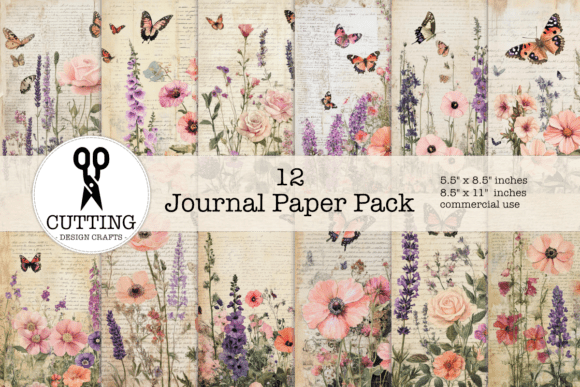
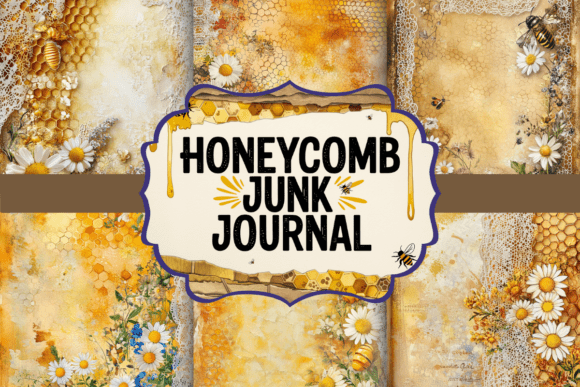
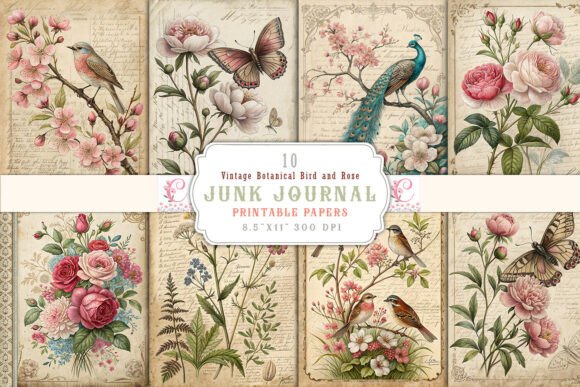
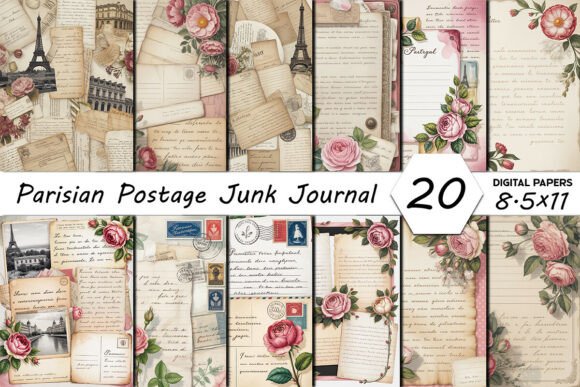
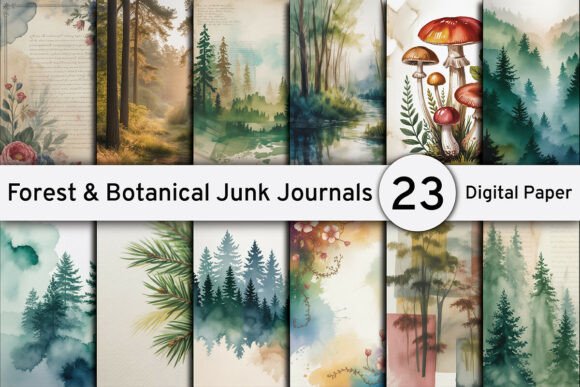
At its core, this collection defines a specific aesthetic. The visual personality is rooted in organic textures and muted, earthy palettes. You'll find backgrounds that mimic aged parchment, watercolor washes in greens and browns, delicate botanical sketches, and layered collage elements. The style is decidedly rustic, nostalgic, and serene. It evokes the feeling of a quiet walk through a forest, pressed leaves in an old book, or the quiet pages of a naturalist's journal. This isn't the bold, clean geometry of modern minimalism; it's a style with warmth, history, and a hand-touched quality.
This aesthetic has broad appeal. For a small business selling handmade soaps or candles, it communicates natural ingredients and artisanal care. For a blogger focusing on wellness, mindfulness, or slow living, it establishes an immediate visual tone of calm and authenticity. In editorial design, such as for a nature magazine or a cookbook with foraging themes, these backgrounds provide depth without overwhelming the content. The key is that the style itself carries meaning before a single word is read.
Practical Applications: Where This Style Shines
The true value of a resource like the Forest & Botanical Junk Journal Pages kit lies in its applied versatility. Think of it as a foundational design asset that can be adapted across numerous projects, saving time while ensuring a cohesive, professional look.
- Branding & Marketing: For brands with an earthy, organic, or artisanal brand identity, these backgrounds are perfect for social media graphics, Instagram story templates, or Facebook cover images. They can be used in packaging design for labels or inserts, adding a tactile, premium feel. A well-chosen background can become a recognizable element of a brand's visual language, enhancing brand perception and recognition.
- Digital & Print Publishing: The applications in publishing are extensive. Use them for editorial design in digital magazines, as chapter headers in eBooks, or as textured backgrounds for podcast artwork. In print, they are ideal for creating unique planners, invitations, greeting cards, or wall art prints. The high resolution (300 DPI) ensures crisp output for both digital screens and physical prints.
- Creative Projects & POD: This is where the "junk journal" aspect becomes particularly powerful. Crafters and hobbyists can use the pages directly in digital scrapbooking or print them for physical journals, albums, and collage projects. For entrepreneurs using Print-on-Demand (POD) services, these seamless backgrounds can be applied to notebooks, tote bags, or posters, creating unique products with a cohesive aesthetic. The commercial license is crucial here, allowing for broad use in products for sale.
The files themselves are built for practicality. At 12x16 inches and 3600x4800 pixels, they offer ample space for composition. The JPG format and RGB color mode are standard for both digital workflows and print preparation, making them accessible to users of all skill levels.
Integrating the Aesthetic: Pairing, Hierarchy, and Readability
Using a richly textured background effectively requires thoughtful design. The goal is to complement the background, not compete with it. This is where understanding visual hierarchy and font pairing becomes essential.
For text, contrast is your best friend. Place dark, legible text over lighter areas of the background. A clean sans serif font often works beautifully against these organic textures, providing a clear, modern counterpoint. Alternatively, a simple serif font can enhance the classic, literary feel. The key is to test readability rigorously—squint at your design, view it on a small screen, and ensure the text is effortlessly legible. Avoid overly ornate script fonts for body copy; reserve them for short headlines or accents where their personality won't hinder reading.
When it comes to logo design or brand marks, the background can serve as a standalone element or a subtle texture within a letterform. Imagine a logo for a "Wildcraft Tea" company where the word "Wildcraft" is set in a bold display font over a muted botanical page. The background adds instant context and depth. For web design, these textures can be used in hero sections, as sidebar backgrounds, or in email newsletter templates to break the monotony of flat color.
The Forest & Botanical Junk Journal Pages kit provides a consistent visual foundation. By using different pages from the same collection across a project—say, for a product label, a thank-you card, and a social media post—you create immediate visual cohesion. This consistency is a hallmark of professional design, signaling attention to detail and building a stronger, more memorable brand identity.
Ultimately, this collection is about empowering creativity with a specific, evocative aesthetic. It removes the technical hurdle of creating complex textures from scratch, allowing you to focus on composition, message, and connection. Whether you're building a brand, crafting a personal project, or designing for a client, these pages offer a direct path to beautiful, nature-inspired design.