Unwrapping Nostalgia: The Charm of Vintage Christmas Stamp Paper
There is a specific feeling that washes over you when you stumble upon an old shoebox filled with holiday ephemera from decades past. It’s the smell of aged paper, the muted reds and greens, and the intricate typography that defined a different era of celebration. In the digital realm, capturing that tangible, historical warmth is often difficult. However, the Vintage Christmas Stamp Paper collection bridges that gap, offering a tactile aesthetic for the modern screen. This collection is not just a set of backgrounds; it is a curated set of design assets that serve as a foundation for storytelling, evoking the golden age of correspondence and holiday cheer.
The Anatomy of a Classic Aesthetic
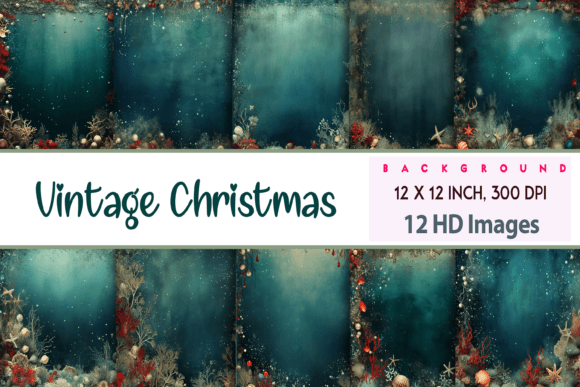
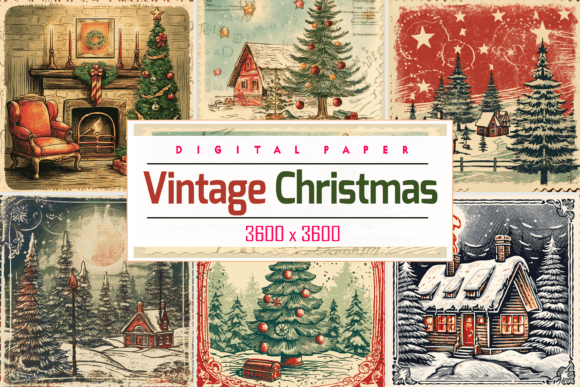
At its core, this collection consists of 17 distinct HD images, delivered in PNG format at a resolution of 12” x 12” (3600 px x 3600 px). For the uninitiated, these specifications matter. The 300 DPI resolution ensures that these designs are not merely for digital viewing but are fully print-ready. Whether you are working on a web design project or high-end editorial design, the file integrity remains intact. The file sizes, ranging from 10 to 20 MB per design, indicate that compression has not stripped away the nuance of the artwork. You are getting high-quality, colorful designs that retain their depth without the distraction of transparent backgrounds.
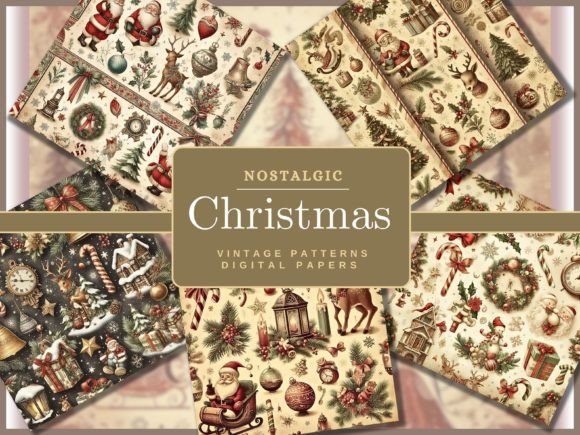
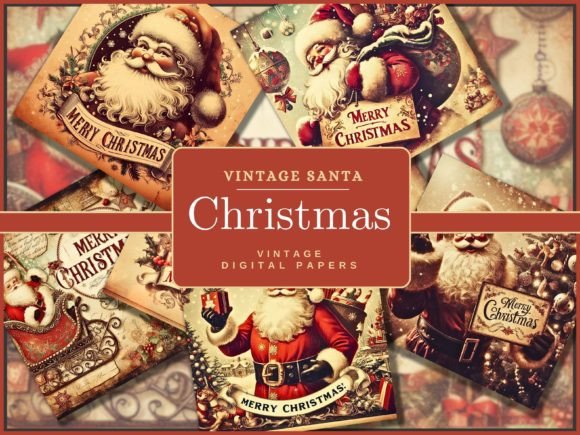
Visually, Vintage Christmas Stamp Paper is characterized by a rich, textured backdrop. It mimics the fibrous quality of aged cardstock, often featuring distressed edges, cancellations marks, and intricate borders reminiscent of 19th-century postage. The color palette leans heavily into traditional holiday hues—deep crimsons, forest greens, and antique golds—but they are often desaturated just enough to feel "lived in" rather than garish. This creates a personality that is sentimental, romantic, and deeply rooted in tradition. It avoids the cold, flat look of modern minimalism, offering instead a style that feels handcrafted and authentic.
Strategic Applications for Modern Creators
Understanding where to deploy these assets is key to maximizing their value. While they are labeled as "paper," their utility extends far beyond simple stationery. For graphic designers and brand strategists, these images provide a potent texture for packaging design. Imagine a boutique candle brand or a small-batch bakery wrapping their products in a digital paper that immediately communicates "handmade" and "heritage." The texture adds a layer of perceived value to the physical product.
For those in the digital space, such as bloggers and content creators, the Vintage Christmas Stamp Paper serves as an exceptional background for social media graphics. On platforms like Instagram or Pinterest, where visual hierarchy is driven by the "thumb-stopping" power of an image, the intricate details of a stamp background create immediate visual interest. They work beautifully behind text overlays for holiday sales announcements or newsletter sign-ups. Because the designs are colorful yet complex, they pair exceptionally well with clean serif fonts or bold sans serif fonts, allowing the typography to pop against the organic texture without getting lost.
Furthermore, these backgrounds are invaluable for photographers. A digital composite requires a solid foundation, and these high-resolution files provide the perfect environment for creating vintage-themed Christmas portraits. The non-transparent nature of the backgrounds ensures a consistent horizon line and color grading base, streamlining the post-processing workflow for busy studios.
Design Dynamics: Perception and Readability
When integrating Vintage Christmas Stamp Paper into your work, you are doing more than just filling space; you are manipulating the viewer's perception. In brand identity, consistency is king. By utilizing a specific texture from this set across your holiday campaign—website headers, email footers, and invoice backgrounds—you create a cohesive sensory experience. This consistency fosters trust and professionalism. It suggests that your brand pays attention to detail and values the "unboxing" experience, even in a digital format.
However, practical application requires a nuanced understanding of visual hierarchy. Because these designs are rich in detail, they function best as a stage for your content rather than the main actor. If you are designing a logo or a headline, the background should not compete with the message. A common pitfall in graphic design is placing busy text over busy backgrounds, leading to poor readability. To counter this, use semi-transparent overlays, vignettes, or solid shapes to anchor your text. This technique allows the charm of the vintage paper to frame the information without overwhelming it.
The "personality" of the paper also influences engagement. Psychology tells us that tactile sensations—even visual ones that mimic texture—trigger emotional responses. The Vintage Christmas Stamp Paper triggers nostalgia, a powerful marketing emotion during the holiday season. It makes a brand feel approachable and human, bridging the gap between a corporate entity and a personal connection.
Practical Implementation and Pairing
Choosing the right design from the 17 options requires evaluating your project's specific needs. Not all vintage textures are created equal; some in this set may feature heavier distressing, while others might be cleaner. If you are working on editorial design, such as a holiday magazine cover, you might select a background with ample negative space to accommodate a masthead. Conversely, for web design elements like a sidebar or a footer, a more densely patterned design might work better to distinguish that area from the main content.
Font pairing is critical when working with this style. Because the paper evokes history, pairing it with a modern script font or a handwritten font can create a beautiful juxtaposition of old and new. For example, a whimsical script font for a "Happy Holidays" greeting set against a rigid, postage-stamp-inspired background creates a dynamic tension that draws the eye. Conversely, sticking to a traditional display font with serifs reinforces the historical aesthetic, creating a monolithic "period piece" look.
Finally, always consider the licensing and usage rights. Since these are high-quality premium fonts and assets, they are likely intended for commercial use, but verifying the terms ensures you can use them for client work or merchandise without legal friction. By treating these assets as professional tools rather than just decorative elements, you can elevate your seasonal projects, ensuring they resonate with your audience through the timeless language of vintage design.