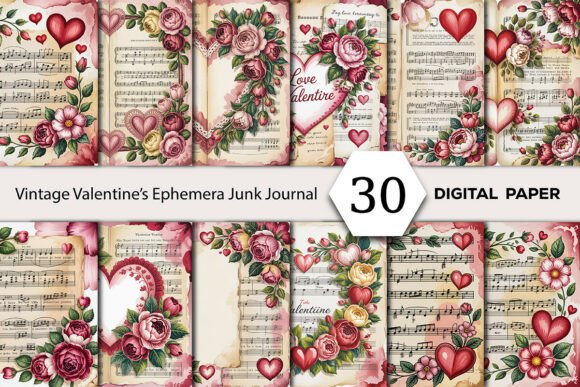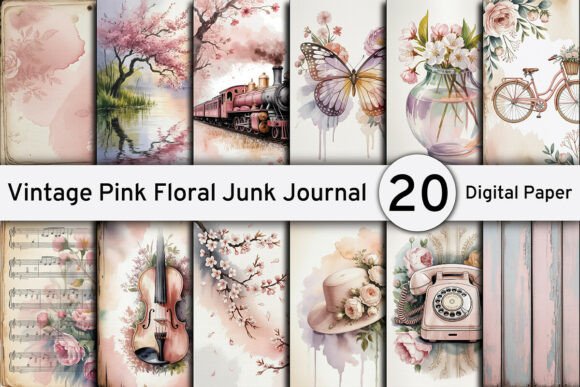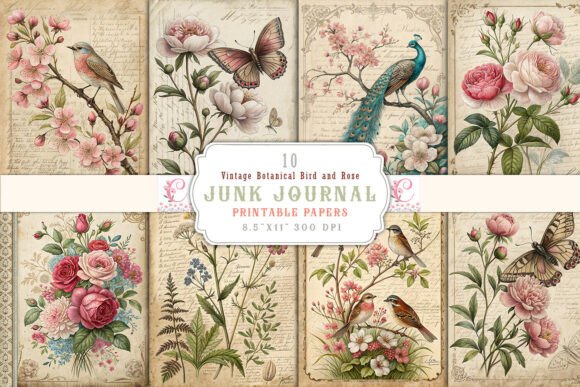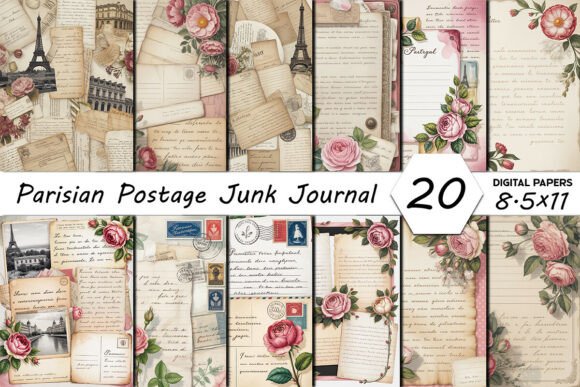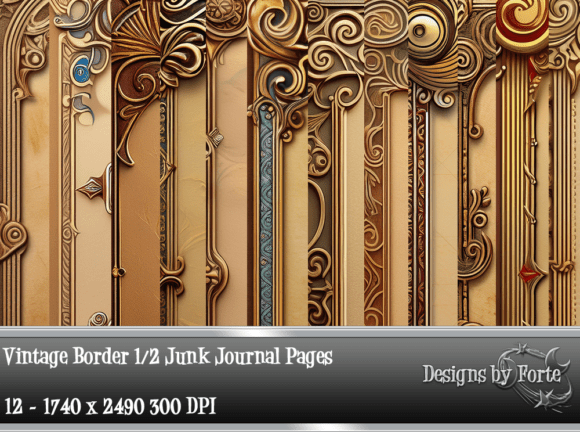
Vintage Border 1/2 Junk Journal Pages: Elevate Your Designs with Nostalgic Elegance
Understanding the Aesthetic: More Than Just Backgrounds
In a digital landscape often saturated with sleek minimalism and hyper-modern gradients, there is a distinct, tactile appeal to the weathered textures of the past. The Vintage Border 1/2 Junk Journal Pages Ai Generated Backgrounds collection taps directly into this desire for authenticity and historical depth. When we talk about this set, we aren't just discussing static images; we are discussing a toolkit for visual storytelling.
Visually, these pages are characterized by a specific "romantic decay." You can expect to see intricate border designs that mimic aged paper, oxidized printing processes, and the subtle imperfections of hand-crafted stationery. The AI generation aspect allows for a complexity of pattern—think delicate filigrees, botanical illustrations, and baroque framing—that would be incredibly time-consuming to create manually. However, the "junk journal" style ensures these patterns don't look sterile. They possess the warmth of old letters found in an attic, complete with soft sepia tones, muted pastels, and the kind of texture that feels tangible even on a screen.
The "1/2" in the title suggests a specific format utility, often designed to be folded or used as inserts, but digitally, they serve as versatile canvases. At 1740 W x 2490 H pixels and 300 dpi, these are not low-res web graphics. This is premium resolution, making them viable for high-quality print production where clarity is paramount.
Strategic Applications: Where Vintage Meets Modern Utility
For the creative professional or entrepreneur, the value of a design asset lies in its versatility. The Vintage Border 1/2 Junk Journal Pages are not limited to one niche. They function as a bridge between traditional scrapbooking aesthetics and modern digital requirements. Here is how different professionals can leverage this style:
1. Brand Identity and Packaging
If you are building a brand identity for a boutique, a bakery, a perfumery, or a heritage craft shop, these backgrounds offer an immediate sense of established trust and history. Using these as wrapping paper designs or box liners elevates the unboxing experience. In packaging design, texture implies value. A product wrapped in a design derived from these vintage borders suggests that what is inside is curated and special. It moves the brand perception away from mass-produced and toward artisanal.
2. Editorial and Publishing
For publishers and bloggers, visual hierarchy is key to keeping readers engaged. These backgrounds work beautifully as editorial design elements. Imagine a recipe blog where the instructions are printed over a faint, distressed vintage border, or a novel cover that uses these textures to hint at a historical fiction setting. They provide a rich backdrop that allows sans serif fonts or clean serif fonts to pop, creating a high-contrast, readable layout that feels sophisticated.
3. Digital Marketing and Social Media
On platforms like Instagram or Pinterest, stopping the scroll is the primary goal. These backgrounds break the pattern of flat colors. Use them for quote cards, sale announcements, or story backgrounds. They are particularly effective for social media graphics promoting events like weddings, vintage markets, or holiday sales. The "old-world appeal" mentioned in the product description translates directly to higher engagement rates for content that targets nostalgia.
4. Physical Crafts and Stationery
Obviously, the application in junk journaling and scrapbooking is primary. However, think beyond the hobbyist. Small business owners can use these to create custom planner dividers, stickers, or thank-you cards. The high resolution ensures that when you print these at home or through a professional service, the ink sits crisply on the paper, preserving the intricate details of the AI-generated borders.
Design Mechanics: Influence on Readability and Hierarchy
Using a background as detailed as the Vintage Border 1/2 Junk Journal Pages requires a strategic approach to typography. Because these backgrounds feature "richness of detail," they can easily overwhelm text if not handled correctly.
Visual Hierarchy: The ornate nature of these borders naturally draws the eye. To maintain a clear hierarchy, your focal text (headlines, prices, main messages) needs to be bold. Consider using a display font or a heavy weight of a modern typography style for headers. The contrast between a clean, geometric sans-serif and the organic, flowing lines of the vintage border creates a dynamic tension that is visually pleasing.
Readability Considerations: Never place body copy directly over the busiest part of the border. Use the center of the page—usually the "negative space" in these journal layouts—for text blocks. If the background is too vibrant, apply a semi-transparent overlay (white, cream, or black) to mute the texture behind the text. This ensures your message is legible while the vintage aesthetic remains visible in the periphery.
Font Pairing: These backgrounds beg for contrast. Avoid pairing them with overly ornate script fonts or handwritten fonts for body text, as this creates a "visual muddle." Instead, pair the vintage borders with a clean, legible creative font. A sharp sans-serif or a classic transitional serif works best. This allows the background to act as the "feminine" or "soft" element, while the typography provides the "masculine" or "structural" foundation.
Practical Guidance for Implementation
Integrating these assets into your workflow requires a bit of planning to maximize their potential.
- Evaluate the Fit: Before committing, look at the specific color palette of the 12 sets. Do they lean warm (sepia, ochre, rust) or cool (slate, dusty blue, sage)? Match these to your brand’s color story.
- Test Your Pairings: Don't just assume a premium font will work. Place your chosen typeface over the image. Zoom in. Check the kerning and tracking against the texture. If the texture "eats" the letters, you need a bolder font or a background overlay.
- Leverage the Borders: Don't cover the borders. These are the star of the show. In web design, you might use a slice of the border as a footer or a sidebar texture. In print, let the border frame your content, acting as a natural container for your information.
- Commercial Licensing: Always verify the usage rights. If you are creating logo design elements or merchandise for sale, ensure the license permits commercial use. These assets are an investment; understanding the terms protects your business.
Ultimately, the Vintage Border 1/2 Junk Journal Pages Ai Generated Backgrounds