Antique Botanical Junk Journal: A Vintage Paper Collection
The Enduring Appeal of Natural, Aged Textures
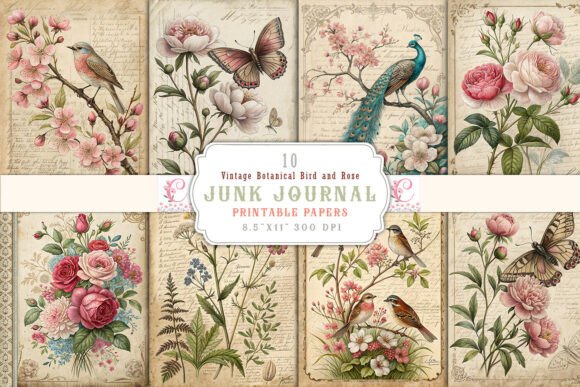
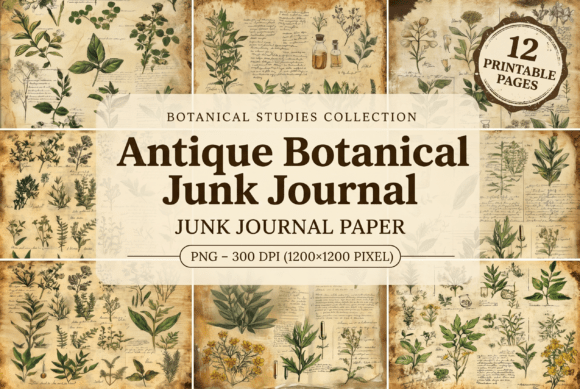
There's a particular kind of beauty found in a well-worn book of pressed flowers or a forgotten herbarium page. It’s a quiet elegance that feels both personal and timeless. This is the exact character captured in the Antique Botanical Junk Journal collection. These aren't just digital papers; they're a curated archive of natural history, designed to bring depth, texture, and a sense of narrative to your creative work. Each of the 12 high-resolution sheets offers a unique composition, blending detailed botanical illustrations with the subtle imperfections of aged paper—foxing, soft creases, and gentle fading.
The visual personality is decidedly rustic, scientific, and elegant. The color palette is intentionally restrained, relying on soft sepia tones, muted greens, parchment creams, and dusty florals. This creates an earthy, cohesive foundation that feels authentic. Unlike many digital design assets that feel sterile, these papers have a tangible quality. The 300 DPI resolution ensures every fine line of a fern frond and every delicate petal is preserved with exceptional clarity, making them perfect for both digital projects and high-quality physical prints.
Where Vintage Botanicals Find Their Purpose
The versatility of this Antique Botanical Junk Journal set is one of its greatest strengths. Its applications extend far beyond the literal junk journal, though it excels there. For crafters and hobbyists, these sheets are instant, beautiful backgrounds for scrapbooking, collage art, and creating handmade greeting cards. The 12x12 inch format is a standard, making them ready to use for most project templates.
For professionals, the value is equally significant. Consider these applications:
- Brand Identity & Packaging: For businesses in the wellness, apothecary, artisanal food, or eco-friendly space, these textures can form the cornerstone of a brand identity. Use them as website backgrounds, in social media graphics, or as the primary texture for packaging design to convey authenticity, tradition, and a connection to nature.
- Editorial & Publishing: Bloggers, publishers, and content creators focusing on topics like gardening, history, slow living, or vintage fashion can use these papers as chapter dividers, quote backgrounds, or page textures in digital magazines and e-books. They add a layer of sophistication that generic stock photos cannot match.
- Planners & Digital Products: In the world of digital planners and printable inserts, offering a botanical-themed kit using these backgrounds instantly elevates the product. It appeals to an audience that values aesthetic organization and mindful creativity.
Integrating Aged Elegance into Modern Design
Introducing a strong textural element like an Antique Botanical Junk Journal paper requires a thoughtful approach to maintain visual hierarchy and readability. The key is to treat these papers as a supporting actor, not the lead. They provide atmosphere and context, but your content—whether it's text, a logo, or a photograph—needs to remain the clear focus.
A practical method is to use these textures as a background for a content block with a solid, semi-opaque overlay. For instance, placing a cream or off-white text box over a busy section of the botanical illustration ensures your typography remains crisp and legible. This technique allows you to enjoy the vintage charm without sacrificing the professionalism of your layout.
Pairing with Typography
The right font pairing is crucial. The organic, often serif-based nature of the illustrations pairs beautifully with clean, modern sans serif fonts for body text. This contrast creates a dynamic and readable hierarchy. For headlines or accent text, a delicate script font or a sturdy serif font with a bit of character can complement the theme. Avoid overly ornate or hard-to-read display fonts for anything more than a short title, as they can compete with the detailed background.
Evaluating Project Fit and Consistency
Before committing, ask if the vintage, natural aesthetic aligns with your project's core message. It’s a perfect fit for brands and projects that value heritage, craftsmanship, and the natural world. For a sleek, futuristic tech brand, it would likely create dissonance. Consistency is also key; if you use this style on your website's hero image, consider echoing it in your email newsletter headers or your Instagram story templates to build a cohesive visual language that strengthens brand recognition.
Practical Considerations for Your Creative Toolkit
When working with design assets like this Antique Botanical Junk Journal collection, a few practical steps will streamline your workflow. First, since the files are delivered as opaque, non-transparent PNGs, they are ready to use as-is. There's no need to remove backgrounds, which saves significant time.
Second, consider the file size. At 8–18 MB per sheet, these are high-fidelity assets. For web use, you will likely need to optimize them for faster loading times, but for print projects, this size is ideal. Always test a small section of your design at full scale to ensure the texture reads well at the intended viewing distance, especially for larger prints like posters or banners.
Finally, review the commercial licensing if you plan to use these in products for sale. Most reputable digital asset providers, like the source of this collection, include a license that covers both personal and commercial use, but it’s always a responsible practice to confirm. This allows you to confidently create and sell planners, journals, or merchandise featuring these beautiful, timeless backgrounds.