Antique Botanical Plates: A Guide to Timeless Design
The Enduring Appeal of Vintage Botanical Illustrations
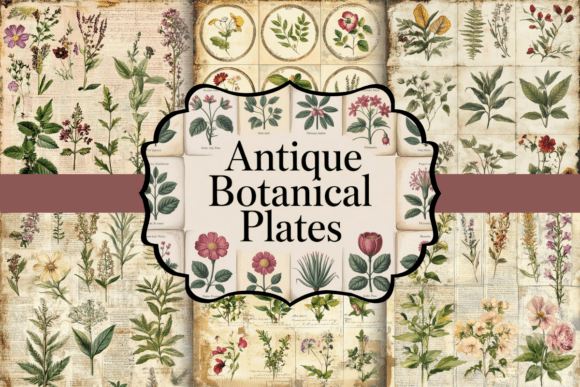
There's a distinct quality to old scientific plates that modern design often misses. They possess a quiet authority, a blend of art and documentation that feels both educational and deeply beautiful. The Antique Botanical Plates collection taps directly into this heritage. It's not just a set of backgrounds; it's a curated library of visual textures rooted in a tradition of meticulous observation. Each of the twelve designs presents a detailed vintage plant illustration, complete with scientific labels and the soft, uneven patina of aged paper. The color palette is deliberately muted—think soft cream bases, sepia-toned details, faded greens, and earthy accents. This isn't a loud, vibrant set. Its strength lies in its subtlety and its ability to evoke a sense of history, calm, and organic elegance.
For a designer or content creator, these assets offer immediate depth. Instead of building a vintage aesthetic from scratch with multiple layers, you start with a foundation that already carries narrative weight. The Antique Botanical Plates backgrounds are opaque, meaning they have a solid, non-transparent base. This makes them incredibly versatile as standalone pages in a journal or as the primary layer in a digital collage. The high-resolution PNG format (12" x 12" at 300 DPI) ensures that whether you're printing for a physical craft project or scaling for a web banner, the integrity and detail of the illustration remain crisp. The file sizes are substantial, which is a good indicator of the quality packed into each download.
Practical Applications for Modern Creatives
Understanding where these plates work best is key to unlocking their value. They are a premium design asset for specific projects that benefit from a vintage, botanical, or cottagecore sensibility. Think beyond simple scrapbooking. A small business owner creating packaging design for artisanal teas, handmade soops, or herbal products could use a cropped section of a plate as a product tag background or a wrap-around label. The natural, scientific labels on the illustrations add an instant layer of authenticity and craftsmanship to the brand identity.
For editorial design and publishing, these plates are gold. A blogger focusing on garden design, sustainable living, or historical recipes could use them as featured image backgrounds for social media graphics or as chapter dividers in an e-book. The muted, earthy tones ensure they won't clash with text overlays, but they add significant visual interest. In web design, a single plate could serve as a full-screen background for a landing page, creating an immersive, thematic experience that immediately communicates the site's niche. They also function beautifully as subtle textures behind content blocks.
The applications extend into personal projects with professional flair. Using these as the foundation for a botanical & nature junk journal is obvious, but consider using them for garden-themed planner inserts or as the base for creating custom tags, pockets & ephemera. A graphic designer could even extract specific floral elements from the plates to create a custom font of botanical dingbats or icons for a client's brand suite, effectively creating a unique serif font or script font accent system.
Integrating Antique Plates into Your Design Workflow
When introducing Antique Botanical Plates into a project, the goal is harmony, not competition. Because these backgrounds are rich with visual detail, they pair best with clean, simple typography. A modern, geometric sans serif font can create a striking contrast, making the vintage elements feel intentional and contemporary rather than dated. Alternatively, a classic, readable serif font can lean into the historical feel for a fully cohesive look. Avoid overly ornate or handwritten fonts for body text, as they can become illegible against the intricate botanical details.
Evaluate the project's needs carefully. Is the primary goal to convey nostalgia, nature, and artisan quality? Then these plates are a strong fit. For a tech startup or a minimalist fashion brand, they might feel out of place. Always test a specific plate with your chosen color scheme and typography. Does the sepia tone warm up your brand colors as intended? Does the faded floral pattern distract from your logo? The muted greens and earthy tones are generally very accommodating, but a quick mock-up is essential.
Remember, these are design assets, not a complete typeface. They provide the atmosphere and context. Your role is to add the hierarchy, the call-to-action, and the core message. Use them to frame your content, to set a scene, or to add a layer of texture that tells a story. The Antique Botanical Plates collection is a toolkit for adding a specific kind of timeless elegance—one that resonates with audiences who appreciate depth, history, and the quiet beauty of the natural world.