Bring Warmth and Character to Your Projects with a Colored Vintage Wood Background
There’s a certain magic in surfaces that tell a story. A weathered plank of wood, with its grain, knots, and subtle color variations, carries an authenticity that sterile, digital textures often lack. This is the essence of a Colored Vintage Wood Background—not just a flat image, but a versatile design asset that injects immediate warmth, texture, and a touch of nostalgia into any creative project. It’s a tool for creators who want to move beyond generic aesthetics and connect with their audience on a more human, tactile level.
Understanding the Appeal: More Than Just a Texture
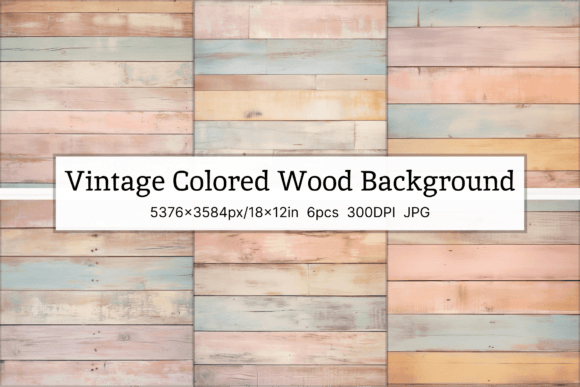
A high-quality Colored Vintage Wood Background is defined by its nuanced visual personality. It’s not a simple, repetitive pattern. Look closely, and you’ll see the gentle undulations of the grain, the soft shadows in the grooves between planks, and the occasional knot or imperfection that adds character. The “colored” aspect is key—it’s not just raw wood. These backgrounds might feature soft, sun-bleached grays, rich honeyed oaks, weathered blues, or even subtle painted washes that have worn away over time. This color element makes them incredibly adaptable, allowing them to complement a specific brand palette or mood, rather than dictating it.
The overall style is one of authenticity and approachability. It evokes feelings of craftsmanship, tradition, and comfort. In a digital world saturated with clean, minimal gradients, a textured wood background offers a grounding element. It creates a sense of place—perhaps a workshop, a rustic kitchen, or a cozy studio. This makes it a powerful creative font equivalent for your visual layer, setting a scene before a single word is read.
Practical Applications: Where This Background Truly Shines
The true strength of a versatile set like a 6-in-1 collection lies in its broad applicability. It’s not a niche asset; it’s a foundational element that can elevate work across numerous fields.
Digital and Social Media Presence
For social media graphics, a Colored Vintage Wood Background is a game-changer. It instantly makes text overlays and product shots more engaging. Imagine an Instagram story promoting a new coffee blend, set against a warm, dark wood grain. The texture adds depth and makes the content feel more premium and intentional. It works beautifully for quote graphics, announcement posts, and as a background for digital artwork or mockups, providing context and visual interest without overwhelming the main subject.
Branding and Marketing Materials
When developing a brand identity, consistency is crucial. A carefully chosen wood texture can become a recognizable part of a brand’s visual language. It’s particularly effective for businesses that want to convey values like durability, natural quality, or artisanal care. Think about a small-batch soap maker, a local coffee roaster, or a handcrafted furniture studio. Using a consistent wood background across their packaging design, website hero images, and flyers creates a cohesive and memorable brand world. It’s a subtle yet powerful way to communicate a brand’s story.
Print and Physical Products
The applications extend robustly into print. With specifications like 300DPI and a large pixel dimension, these backgrounds are built for physical output. They make stunning photography backdrops for product shots, adding a professional, styled look without the need for a physical studio setup. For editorial design, they can serve as a compelling background for magazine features or book covers. Entrepreneurs can use them for product displays, invitations, greeting cards, and even party décor, ensuring a polished and thematic look for events and special occasions.
Integrating Texture into Your Design Workflow
Using a textured background effectively requires a bit more thought than dropping in a solid color. Here’s how to get the most out of it.
Ensuring Readability and Hierarchy
The primary challenge is maintaining legibility. A busy background can fight with text. The solution lies in contrast and placement. For text overlays, consider using a solid color panel or a semi-transparent shape behind your typography to create a clear reading field. Alternatively, use the background behind larger, display-style headings where letterforms are big and bold enough to remain clear. Always test your designs at different sizes—what looks good on a desktop screen might be muddy on a mobile device. The goal is to let the texture support your message, not compete with it.
Font Pairing and Visual Harmony
The personality of your background should inform your typographic choices. A rustic, weathered wood pairs wonderfully with a sturdy sans serif font for a modern yet grounded feel, or with a elegant serif font for a more classic, editorial look. A script font or handwritten font can add a personal, human touch that complements the handmade quality of the wood. The key is to create a dialogue between the elements. A highly ornate, decorative typeface might get lost, while a clean, contemporary one will stand out in pleasing contrast.
Evaluating Fit and Making a Choice
When selecting a background from a set, consider your project’s specific needs. Is the color palette right? Does the grain direction feel dynamic or static? A set offering six variations is invaluable because it provides options for different moods and compositions. Before finalizing, always test the background with your key assets—your logo, your primary text, your product images. Does it enhance them? Does it feel cohesive? This step is as crucial as testing font pairings in logo design or web design. The most successful designs are those where every element feels intentional and harmonious.
Commercial Use and Professional Considerations
For professionals, licensing is a critical detail. A high-quality asset marketed for both digital and print use should come with a clear commercial license that covers your intended applications, whether for client work, merchandise, or digital products. This removes legal ambiguity and allows you to use the asset with confidence across your brand identity projects, marketing campaigns, and product lines. Always review the license terms to ensure they align with your business needs.
Ultimately, a Colored Vintage Wood Background is more than a decorative element. It’s a strategic design asset that adds depth, emotion, and a tangible quality to your work. By understanding its characteristics and applying it thoughtfully, you can create designs that don’t just look good, but feel genuinely engaging and memorable.