Embrace Gentle Country Charm with Soft Cottage Journal Pages
There's a particular kind of peace that comes from the countryside—the quiet hum of bees over a wildflower meadow, the worn smoothness of a garden gate latch, the scent of old roses climbing a stone wall. The Spring Cottage Journal Pages collection distills that feeling into a set of printable design assets that feel less like digital files and more like a handwritten letter from a slower, gentler world. These aren't just backgrounds; they're invitations to pause, reflect, and create with intention.
Understanding the Visual Personality of These Pages
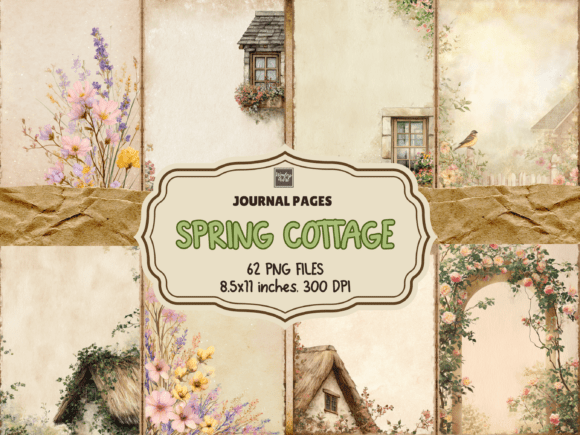
At its core, the collection is built on a foundation of soft, desaturated pastels. Imagine blush pink that mimics the inside of a seashell, sage green pulled from young fern fronds, dusty lavender that recalls twilight in a cottage garden, and warm creams and beiges that feel like sun-bleached linen. This carefully curated color palette is the first layer of its charm, immediately setting a mood that is nostalgic, calm, and deeply inviting. It avoids the high saturation of modern digital design, opting instead for a muted, time-worn quality.
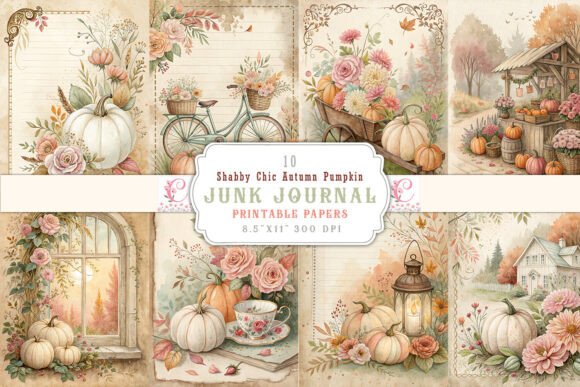
The visual details are where the story truly unfolds. You'll find delicate floral details—not bold, graphic blooms, but watercolor washes of wildflowers, soft botanical sketches, and trailing vines. These are paired with cozy cottage elements like vintage teacups with faint floral patterns, intricate lace textures that overlay like a doily on a table, and the soft grain of weathered wood. There are garden paths that draw the eye inward, wooden gates slightly ajar, and birds and butterflies that add a touch of gentle life. The overall effect is one of layered, romantic botanical accents that feel handcrafted and personal, avoiding any sense of digital sterility.
Where This Cottagecore Aesthetic Truly Shines
The versatility of the Spring Cottage Journal Pages lies in their ability to serve as a foundational design asset for a wide range of projects. They are not a display font or a script font, but rather a textured canvas that influences the entire brand identity or project's feel. For creative professionals and crafters, their applications are immediately practical.
- Junk Journals & Scrapbooks: This is their most natural home. Use a page with a garden path as a background for a cherished photo. Layer a lace texture page over a blush pink base, then adhere vintage ephemera, pressed flowers, or handwritten notes. The pages provide a cohesive, thematic foundation that ties disparate elements together.
- Planners & Memory Books: Print a page with a subtle wooden gate motif to use as a monthly divider in a planner. The calm aesthetic makes planning feel less like a chore and more like a mindful practice. For a tea party memory book, these pages create the perfect ambiance for documenting recipes and photos.
- Digital & Print Publishing: For bloggers and content creators, a page with a soft floral detail can become a beautiful background for social media quotes, podcast cover art, or a newsletter header. In editorial design, they could serve as chapter openers for a book on gardening, slow living, or vintage style, instantly establishing a cottagecore aesthetic.
- Small Business & Branding: A small business selling handmade soaps, herbal teas, or vintage homeware could use these pages as part of their packaging design or web design assets. They communicate values of care, tradition, and natural beauty, helping to build a recognizable and emotionally resonant brand identity.
Practical Guidance for Working with These Pages
Integrating any new design asset into your workflow requires a thoughtful approach. Here’s how to get the most out of the Spring Cottage Journal Pages.
Evaluating Project Fit and Readability
First, consider the project's core message. These pages excel in contexts that value warmth, nostalgia, nature, and handcrafted quality. They would be a mismatch for a tech startup's sleek annual report or a high-energy sports brand. When using them as backgrounds for text, readability is paramount. The pages with the most intricate floral details or strong textures will work best with large, simple headings or with text placed in a solid, semi-transparent shape (like a cream-colored box) to ensure contrast. Pages with more open, solid areas of sage green or warm cream are better suited for longer blocks of body text.
Font Pairing and Typographic Harmony
The right font pairing can elevate these pages from pretty to polished. Since the pages themselves are highly decorative, your typography should provide balance and clarity. Avoid overly ornate script fonts for body copy; they will compete with the background. Instead, consider a clean, readable sans serif font for body text (like a soft, rounded sans serif) to maintain modern readability. For headings, you could introduce a complementary serif font with a gentle, classic feel or a simple, elegant handwritten font that echoes the personal touch of the pages. The goal is a harmonious visual hierarchy where the background supports the content rather than overwhelming it.
Testing, Licensing, and Building Your Kit
Before committing to a large project, print a test page or use it in a digital mockup. See how the colors translate to your screen or printer. Examine how your chosen fonts interact with the page's busiest areas. If you plan to use these pages for commercial projects—like selling printable journals on Etsy or incorporating them into client work—verify the commercial licensing terms. Most premium collections allow for this, but it's a crucial step for entrepreneurs and marketers. Finally, treat the collection as a starting point. Mix and match the Spring Cottage Journal Pages with your own scanned ephemera, like a snippet of vintage wallpaper or a pressed leaf, to create something uniquely yours. This builds a rich library of assets that truly embodies a peaceful countryside narrative.
Ultimately, the power of these pages is in their ability to set a scene. They provide the quiet, rustic cottage charm backdrop against which your own stories—whether documented memories, creative projects, or a brand's narrative—can unfold with greater depth and authenticity. They are a tool for slowing down and making something beautiful with a gentle, enduring spirit.