Unwrapping the Nostalgic Appeal of Retro Christmas Mesh
There is a specific feeling that hits you when you think of Christmases past—a warmth that isn’t about the temperature, but about the memory. In the world of digital design, capturing that elusive, cozy nostalgia can be difficult. Modern, high-gloss aesthetics often dominate, leaving little room for the soft, textured charm of yesteryear. This is precisely why the Retro Christmas Mesh Digital Papers collection stands out. It isn’t just a set of backgrounds; it is a deliberate step back into a time where holiday graphics were simple, tactile, and deeply sentimental.
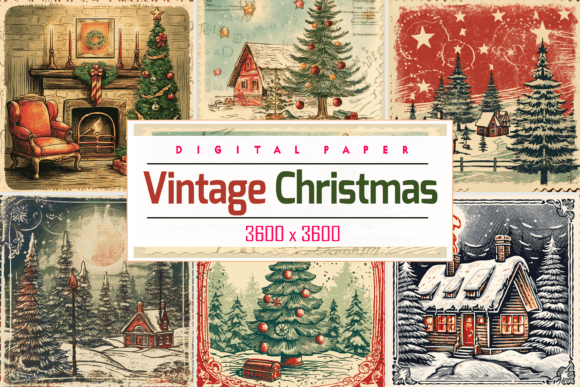
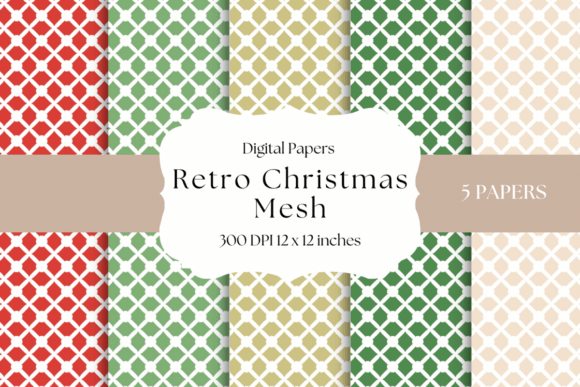
From a design perspective, "retro" is more than just a style; it is a visual language. This collection speaks that language fluently through its use of soft, muted tones. You won’t find the neon-bright reds and electric greens of modern retail here. Instead, these papers offer a palette of weathered red, sage green, and aged ivory. These are colors that feel lived-in. They evoke the aesthetic of mid-century illustration and vintage ephemera, providing a grounding element for any project. The "mesh" texture adds a crucial layer of tactile realism. It breaks up the digital flatness, giving the artwork a fabric-like quality that suggests handmade stockings or vintage wrapping paper. This subtle texture acts as a bridge between the digital screen and physical memory, making the design feel more authentic.
The Versatility of a Vintage Aesthetic
One of the most common mistakes in digital design is assuming that seasonal assets are only useful for a few weeks in December. However, the Retro Christmas Mesh Digital Papers possess a timeless quality that extends their utility far beyond simple holiday cards. Because the patterns are understated and the color palette is sophisticated, they function beautifully as design assets for a variety of contexts.
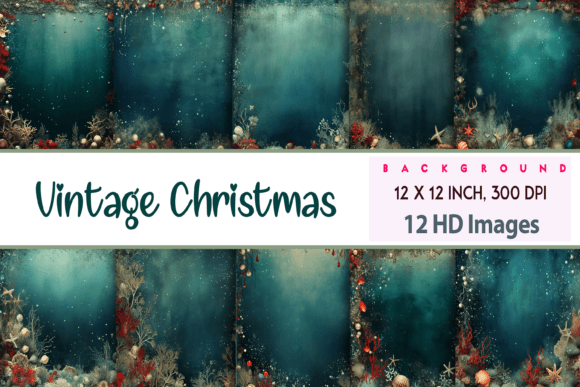
For the entrepreneur or small business owner, these backgrounds offer a unique way to build a holiday brand identity. Instead of using the same generic corporate blue and red seen in every department store, you can use these papers to create a brand voice that feels artisanal and thoughtful. Imagine a bakery’s holiday menu or a boutique’s social media graphics using these muted textures. It immediately signals to the customer that the business values tradition and quality over fleeting trends. The 12x12 inch format at 300dpi ensures that these files are not just for web use; they are high-resolution assets ready for print. Whether you are designing a full-page background for a catalog or a small texture swatch for a website header, the clarity holds up.
Practical Applications for Creators and Crafters
For content creators and publishers, integrating these digital papers requires a bit of strategic thinking to maximize their impact. Here are some practical ways to apply them across different mediums:
- Digital Planning and Journaling: If you design digital stickers or planner layouts for apps like GoodNotes or Notability, these textures make excellent background layers. They reduce the harshness of the white screen, making the planning experience feel more organic and less like work.
- Scrapbooking and Memory Keeping: The "mesh" texture is particularly effective in scrapbooking. When layering photos and elements, a textured background prevents the page from looking cluttered. It provides a resting place for the eye, allowing the focal points—your photos—to stand out.
- Print-on-Demand Products: Consider the market for stationery. Notebooks, journals, and greeting cards featuring these retro patterns appeal to a demographic that values vintage charm. The soft reds and greens are gender-neutral and versatile enough to be sold year-round as general "vintage floral" or "classic pattern" stationery.
Design Strategy: Working with Muted Palettes
Working with a retro, muted palette requires a different approach than working with modern, saturated colors. The Retro Christmas Mesh Digital Papers set the stage, but the supporting cast of your design must be chosen carefully to maintain visual hierarchy. Because the backgrounds are soft, you have an opportunity to use contrast effectively without creating visual noise.
If you are overlaying text, avoid pure black (hex #000000), which can look jarring against these aged tones. Instead, opt for a deep charcoal or a rich, dark brown to keep the vintage aesthetic consistent. Similarly, when pairing these backgrounds with other typography, think about the "personality" of the font. A clean sans-serif font can create a nice "modern retro" contrast, making the design feel fresh yet nostalgic. However, a classic serif or a casual handwritten font will lean into the cozy, traditional vibe. The key is balance; let the texture of the paper be the star, and use your layout to frame it rather than fight it.
Technical Considerations for Print vs. Digital
Understanding the file specifications is vital for professional results. At 300dpi (dots per inch), these JPEGs are print-ready. This is a critical distinction from many free assets found online, which are often 72dpi and suitable only for screen viewing. When you print a 72dpi image on paper, it often looks pixelated or blurry. With these high-resolution files, you can scale them for large format printing—such as posters or table runners—without losing quality.
However, keep in mind that these are JPEG files. Unlike PNGs, JPEGs do not support transparency. This means you cannot simply place a red ornament on top of the background and expect the background to show through the ornament's empty space. You will need to use blending modes (like Multiply or Overlay) in your editing software to integrate elements seamlessly. This is a standard practice in professional graphic design, and when done correctly, it allows the elements to interact with the mesh texture, creating a cohesive, integrated look.
Elevating Your Holiday Projects
The goal of any holiday marketing or creative project is to evoke emotion. We want our audience to feel the excitement of the season, the comfort of tradition, and the joy of celebration. Generic, sterile graphics often fail to elicit this response. By utilizing assets like the Retro Christmas Mesh Digital Papers, you are investing in the emotional resonance of your work.
For the hobbyist, this means creating scrapbook pages that your family will cherish for decades because they look timeless, not trendy. For the marketer, it means crafting a campaign that feels human and relatable, cutting through the digital clutter of aggressive, bright advertising. For the designer, it is an opportunity to showcase versatility—demonstrating that you can adapt your style to create something warm and inviting.
Ultimately, design is about storytelling. These digital papers provide a backdrop that whispers of stories from the past while leaving plenty of room for you to write your own. Whether you are packaging a product, designing a wedding invitation for a winter ceremony, or simply making a card for a friend, the combination of soft color and tactile texture ensures your work feels considered, professional, and undeniably festive.