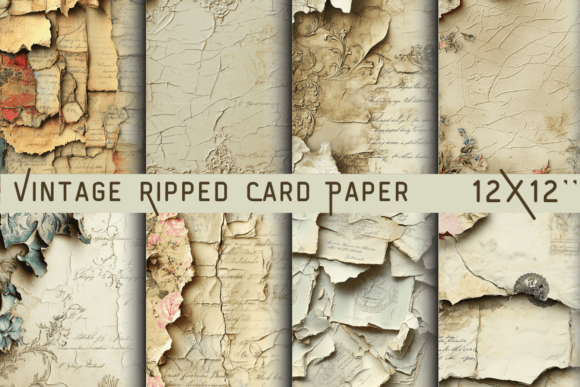
Vintage Ripped Card Paper: Authentic Aged Texture for Modern Projects
There's a particular quality to old, worn paper that digital perfection often misses. It’s the subtle tear at the edge of a letter, the faded crease in a forgotten journal, the uneven texture of a card that’s lived a life. This is the essence captured in a Vintage Ripped Card Paper collection. It’s not just a digital asset; it’s a toolkit for injecting immediate history, texture, and raw, tangible character into your work. For designers, crafters, and creators, these distressed backgrounds offer a shortcut to a deeply human, imperfect aesthetic that resonates with nostalgia and authenticity.
Understanding the Material: More Than Just a Background
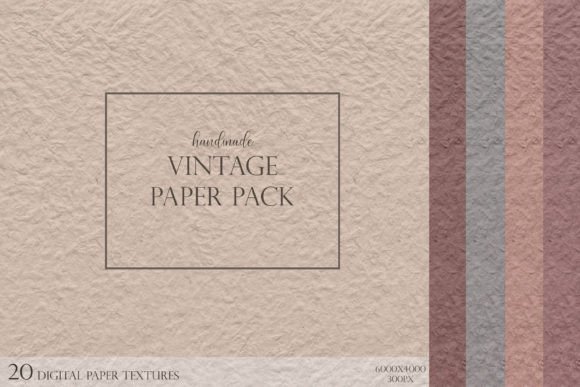
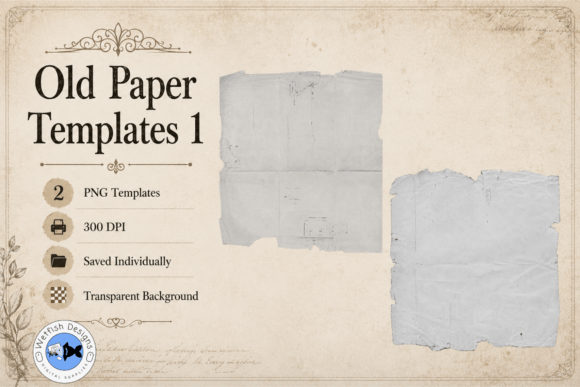
A Vintage Ripped Card Paper digital pack is a curated set of high-resolution images designed to emulate the look of aged, torn, and distressed cardstock. Each design, typically at 12" x 12" and 300 DPI, provides a substantial, opaque canvas. The key features are in the details: the torn card edges that look hand-ripped, the ripped paper effects revealing layers beneath, the aged texture layers that simulate foxing, stains, and wear, and the vintage cardstock looks with their muted, time-worn color palettes of beige, sepia, and soft grey. These are not clean, sterile digital sheets. They are design assets with personality, built to add depth and a sense of narrative to any project they touch.
The appeal lies in their ability to bridge the gap between digital creation and physical craft. In an era of sleek, flat design, the distressed grunge details and tactile quality of this vintage ripped card paper offer a powerful counterpoint. They provide a foundation that feels handmade and genuine, making them invaluable for projects where story, emotion, and a touch of the antique are paramount.
Practical Applications Across Creative Fields
The versatility of these backgrounds is where their true value shines. They are not confined to a single niche but serve as a foundational element across a wide spectrum of creative and commercial projects.
For the Crafter and Hobbyist
This is the heartland for Vintage Ripped Card Paper. It’s the perfect starting point for junk journals, providing instant, authentic-looking pages. In scrapbooking, it replaces flat, printed backgrounds with something that has real character, making photos and memorabilia stand out. For collage art and mixed media projects, these papers act as the ideal base layer, adding complexity and depth without additional work. They can be printed and used for planner inserts, DIY stationery, or handmade greeting cards, lending each piece a bespoke, vintage feel.
For the Designer and Brand Strategist
In professional contexts, this asset is a strategic tool. For brand identity projects targeting artisanal, heritage, or eco-conscious markets, these textures can inform the entire visual language. Imagine a coffee brand using a distressed sepia paper as the backdrop for their packaging, or a boutique winery using it for their tasting notes. It instantly communicates craftsmanship and tradition.
In editorial design and packaging design, these backgrounds create compelling contrasts. Pairing a crisp, modern sans serif font or an elegant serif font with a torn, aged paper background creates a dynamic visual hierarchy. The clean typography ensures readability and professionalism, while the textured background provides emotional resonance and brand perception depth. This is a masterful font pairing principle in action—balancing the new with the old.
For Digital Content and Marketing
The applications in the digital realm are equally powerful. Use them as backgrounds for social media graphics to make quotes, announcements, or product features stand out in a crowded feed. They add a layer of visual hierarchy and audience engagement that a plain color cannot match. For bloggers and publishers, they can be used in featured images or as subtle textures behind text blocks on a website to break up digital monotony and add a layer of modern typography sophistication. The key is to use them judiciously to enhance, not overwhelm, the core message.
Integrating Vintage Textures into Your Workflow
Adopting a new design asset requires thoughtful integration. Here’s how to approach using a Vintage Ripped Card Paper pack effectively.
Evaluate the Project Fit: First, consider if the aesthetic aligns with your project's goals. This style is ideal for conveying warmth, history, nostalgia, ruggedness, or authenticity. It may be less suitable for ultra-modern, minimalist tech brands or corporate formal communications where pristine, clean lines are expected.
Test with Typography: The success of using these textured backgrounds hinges on font pairing. The distressed paper is the "display" element; your typography needs to be legible against it. A bold, clean sans serif font often works beautifully for headlines. For body text, a medium-weight serif font or a simple sans serif font ensures readability. Avoid overly ornate script fonts or thin handwritten fonts for large blocks of text, as they can get lost in the texture. Always test your type at various sizes.
Layer for Realism: Don't just place a photo on top. Use blend modes (like Multiply or Overlay) in your design software to let the texture interact with your other elements. You can also stack multiple papers from the pack to create unique, complex backgrounds. This technique enhances the grunge ephemera feel and adds to the perceived brand identity of your project.
Consider Commercial Use: Most premium design assets like this come with a commercial license, but it’s crucial to read the terms. Understanding the licensing ensures you can confidently use the textures in client work, products for sale (like printed journals or stationery), and marketing materials without legal concern. This is a key part of professional practice.
Ultimately, the Vintage Ripped Card Paper digital pack is more than a collection of files. It’s a catalyst for creativity, a way to bypass the hours spent aging paper manually and get straight to the design work that matters. It provides a consistent, high-quality foundation of texture and history, allowing you to build upon it with your own unique vision, typography, and content. Whether you’re designing a logo for a heritage brand, crafting a scrapbook page, or creating a standout social media graphic, these distressed backgrounds offer a direct line to creating work that feels genuinely connected, tactile, and alive.