Vintage Green Patina Botanical Scrapbook
More Than Paper: Setting a Mood
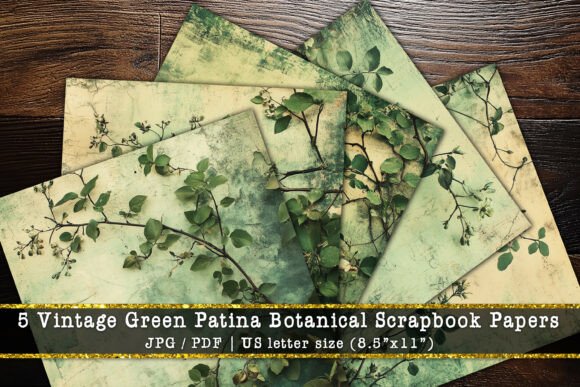
When you start a creative project, the foundation you choose does more than just hold ink—it sets the entire emotional tone. The Vintage Green Patina Botanical Scrapbook collection is less about simple utility and more about atmosphere. It brings a specific, evocative mood to the table: a blend of aged elegance and the quiet vitality of nature. The visual characteristics are distinct. Think of the soft, weathered green of oxidized copper, a color that speaks of time passing and stories held. Over this textured background, delicate botanical branches are laid, creating a subtle, organic pattern. This isn't a loud or demanding design asset; it's a quiet, sophisticated backdrop that invites depth and layering.
The personality of these papers is decidedly romantic and shabby chic, but with a grounded, earthy quality. It avoids the sometimes overly sweet pastels of pure shabby chic, leaning instead into a more mature, collected aesthetic. The patina effect adds a layer of authenticity and history, making it perfect for projects that need to feel established, thoughtful, and connected to the natural world. The overall appeal lies in its versatility—it can support a vintage design just as easily as it can provide a surprising textural contrast in a modern minimalist layout.
Finding Its Place: Where This Collection Shines
Understanding a design asset's strengths is key to using it effectively. The Vintage Green Patina Botanical Scrapbook papers excel in contexts where texture, narrative, and a touch of nostalgia are desired. For scrapbooking and junk journaling, they are a natural fit. The pre-textured backgrounds eliminate the need for additional aging techniques, providing an instant foundation for photos, ephemera, and handwritten notes. The botanical elements add interest without overwhelming the page, allowing personal memories to take center stage.
In the realm of DIY stationery and paper crafts, this collection offers a premium starting point. Imagine creating a set of thank you cards or invitations where the paper itself contributes to the message of care and beauty. For planners and organizers, using these as monthly divider inserts or dashboard backgrounds can transform a functional tool into a source of daily inspiration, making planning feel like a creative ritual rather than a chore.
Beyond personal projects, these papers have significant value for small businesses and content creators. A boutique bakery could use them as backgrounds for social media graphics or in-store signage, reinforcing a brand identity centered on artisanal, natural ingredients. A wellness coach or herbalist could use them for digital downloads, workshop materials, or packaging design for products, creating a cohesive visual language that feels authentic and calming. They are particularly effective for editorial design in online magazines or blogs focused on gardening, slow living, or vintage restoration, where the visual aesthetic supports the content's core themes.
A Practical Guide to Using These Papers
Working with a textured, patterned background requires a slightly different approach than using a solid color. Here’s how to get the most out of the Vintage Green Patina Botanical Scrapbook set.
- Evaluate the Project Fit: Ask yourself if your project’s goal aligns with the paper’s personality. Is the audience looking for something modern and sleek, or warm and storied? These papers are ideal for projects targeting an audience that appreciates craftsmanship, nature, and a slower pace. They might be less suitable for a tech startup’s primary brand identity, but could be perfect for that same company’s holiday card or a blog post about sustainability.
- Mastering Layering and Legibility: The texture is an asset, but it can compete with text if not handled carefully. For readability, avoid placing small, light-colored body text directly over the busiest areas of the botanical pattern. Instead, use a text box with a very slight opacity (90-95% white) or a soft, dark drop shadow to create separation. For headings, choose a clean, bold sans serif font or a sturdy serif font with good contrast. The key is to create a clear visual hierarchy where the background supports the content, not fights with it.
- Strategic Font Pairing: The romantic, handwritten feel of the botanical elements pairs well with specific typeface styles. Consider pairing with:
- A classic serif font like Garamond or Baskerville for body text. Their traditional forms complement the vintage feel and maintain excellent readability.
- A clean sans serif font like Lato or Open Sans for headings or captions. This creates a modern counterpoint that keeps the design from feeling overly themed.
- A delicate script font for accents or titles, but use it sparingly. Ensure it has clear letterforms so it remains legible against the textured background.
- Leverage the Included Files: The collection provides five distinct JPG files. Don’t just pick one and use it everywhere. Use different papers from the set to create variety while maintaining a consistent color palette and theme. One paper might be perfect for a main background, another for a sidebar or insert, and a third for die-cut elements like tags or frames. This builds a richer, more professional-looking final product.
- Commercial Use Considerations: Always verify the specific licensing terms of any design asset you purchase. These papers are typically sold for both personal and commercial use, allowing you to incorporate them into products you sell, like printed planners, physical card sets, or digital templates. However, you usually cannot resell the digital files themselves. Understanding this distinction is crucial for entrepreneurs and content creators building a business.
In practice, the Vintage Green Patina Botanical Scrapbook